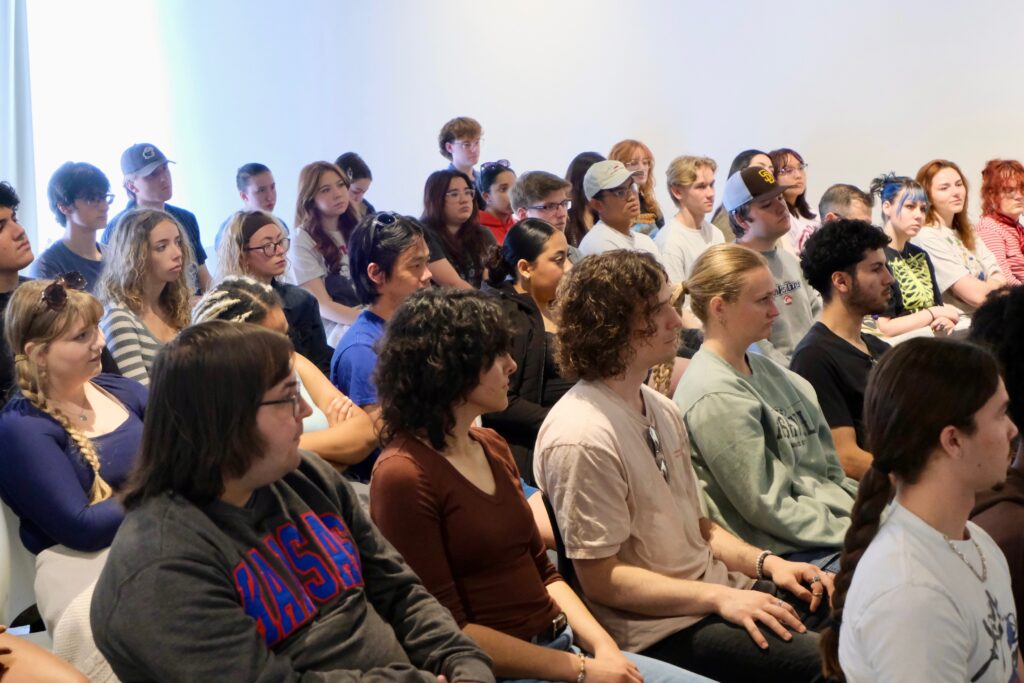
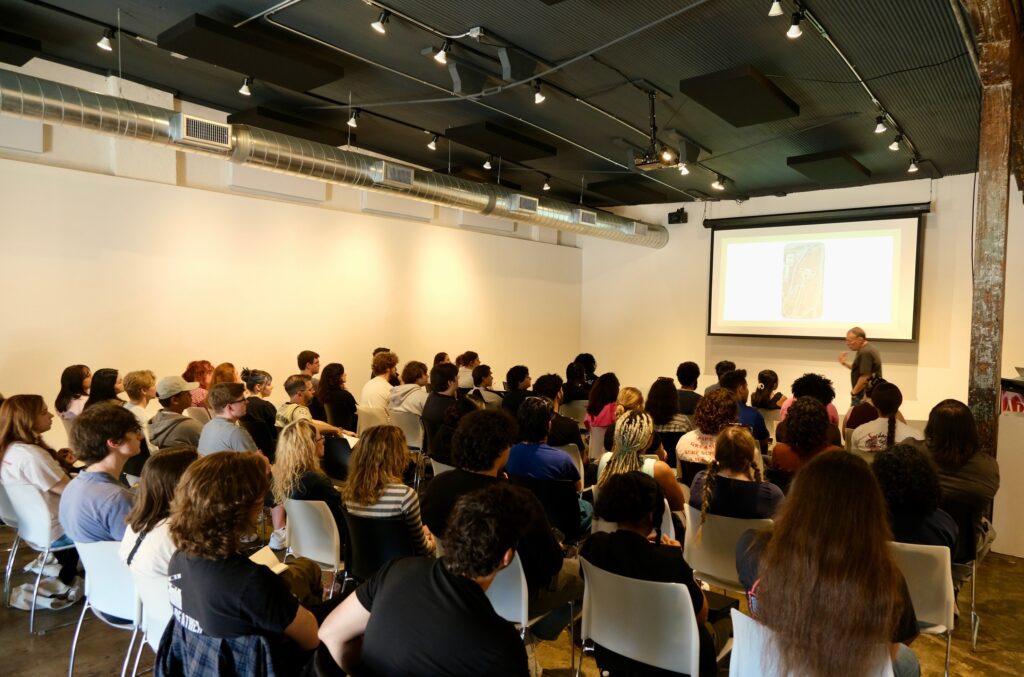
In April, the Kansas City Film Office partnered with the University of Missouri – Kansas City and the University of Kansas to host a production assistant training designed to prepare local film students for the arrival of the FIFA World Cup 2026. As Kansas City gets ready to step onto the global stage, this one-day program gave students a chance to connect directly with industry professionals who’ve worked on some of the world’s biggest sporting events, including past World Cups and Olympic Games.
The training brought together speakers from Kansas City and across the broader production landscape, each offering a practical look at what it takes to work behind the scenes of a global broadcast. Students gained insight into what large scale productions expect when hiring local crew, how to navigate the fast paced nature of live events, and what regional resources are available to support their entry into the industry.
With a wave of international media and major productions on the way, the need for skilled production assistants is expected to rise quickly. Much of the action will be centered around Fan Fest at the National WWI Museum and Memorial, which is set to become a hub for World Cup celebration. For students, this training helped connect what they’ve learned in the classroom to real-world opportunities.
Chris Wyche, site liaison for the National WWI Museum and Memorial, offered a behind the scenes look at how the historic venue adapts to host major events. Drawing on experience from the 2023 NFL Draft and the Chapell Roan concerts, Wyche detailed the logistical and operational shifts required to accommodate massive crowds and complex productions. His session gave students a clearer picture of what their roles might look like during Fan Fest.
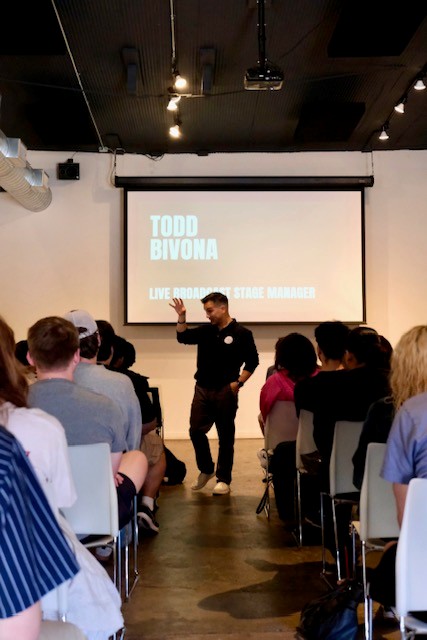
Live Broadcast Stage Manager Todd Bivona brought more than two decades of television production experience to the conversation, including his recent work with FOX on World Cup coverage. He spoke to the realities of live broadcast environments, from the intensity and unpredictability to the constant need to stay flexible and adapt. Bivona emphasized the importance of professionalism under pressure and highlighted the qualities that make production assistants rehireable in a competitive field.
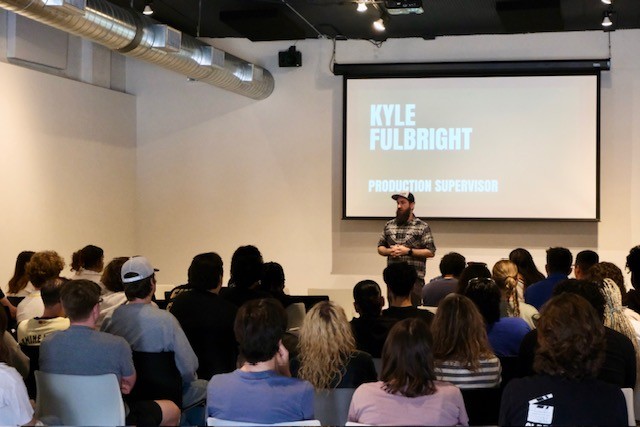
Local production supervisor Kyle Fulbright focused on Kansas City’s own production ecosystem. He explained how working on a global event differs from traditional film, television, or commercial sets, particularly when it comes to supporting smaller teams within a much larger operational framework. His insights helped students understand how to navigate expectations unique to their home market.
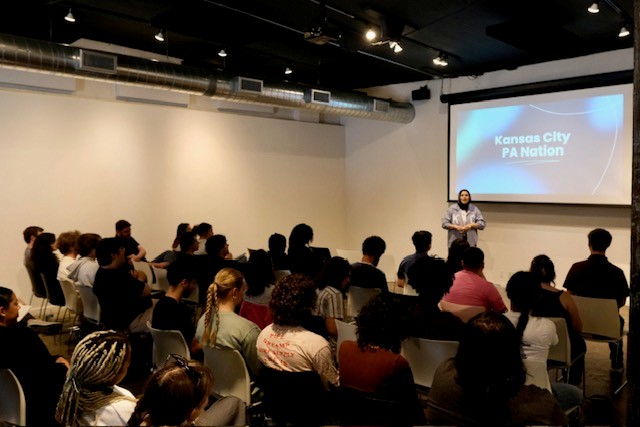
Practical, hands-on training came from Sara Jawhari, who focused on the day to day responsibilities that define a successful production assistant. From walkie talkie etiquette to moving confidently through active sets, her session equipped students with essential skills they can immediately apply. She reinforced a central theme echoed throughout the day, production assistants are the heartbeat of any production.
The program concluded with Derek Byrne of Visit KC, who addressed the broader context of hosting an international event. As crews from around the world arrive in Kansas City, Byrne encouraged students to see themselves as ambassadors for their city with ample knowledge to represent its culture, professionalism, and hospitality on a global stage.
Kansas City’s role as a World Cup host city represents a generational opportunity, and this training underscored the critical role local crew will play in its success. By connecting students with experienced professionals and equipping them with both technical skills and industry insight, the training empowered participants to see the value of their contributions across every department on a call sheet.
The training is recognized by the Missouri Film Office as a registered apprenticeship program. This designation allows participants to qualify as local apprentices, making them eligible for hire on productions utilizing the state’s film tax credit, which requires a minimum number of local apprentices on qualifying projects.
All proceeds from the training support the Teri Rogers Filmmaker Grants, an initiative dedicated to funding and fostering the next generation of filmmakers in the Kansas City region.
As the countdown to 2026 continues, programs like this are ensuring that Kansas City’s creative workforce is not only ready, but positioned to thrive when the world arrives.